
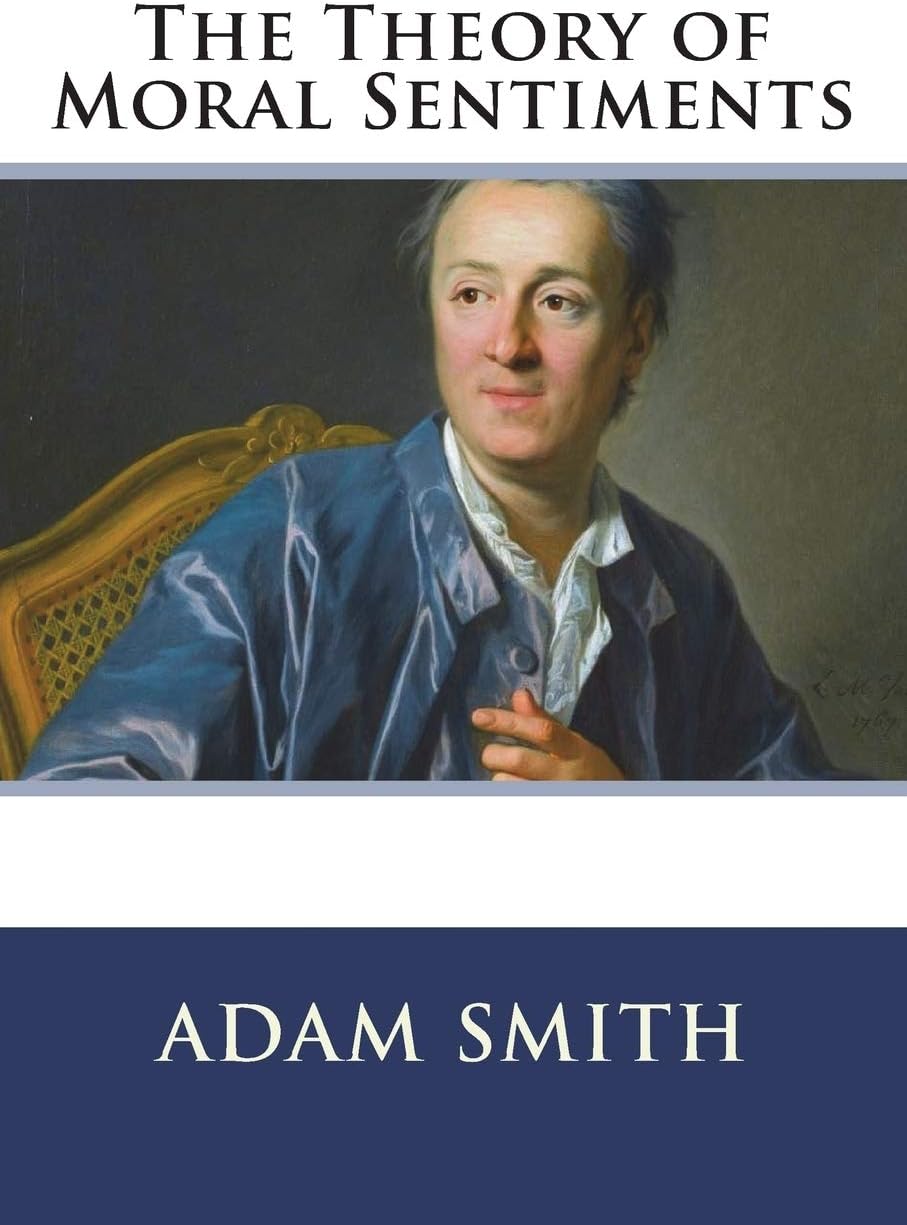

Description
Book Synopsis: In his first important work, economist Adam Smith concentrates on ethics and charity. The Theory of Moral Sentiments divides moral philosophy into four parts: Ethics and Virtue; Private rights and Natural liberty; Familial rights ('Economics'); and State and Individual rights ('Politics'). Smith establishes the intellectual framework for all of his later work, including The Wealth of Nations.
Details
Discover the intellectual foundations that shaped the world we live in today with The Theory of Moral Sentiments. Authored by the renowned economist Adam Smith, this influential work delves into the realms of ethics and charity, providing invaluable insights into the fundamental values that define our society.
With The Theory of Moral Sentiments, Smith takes you on a journey through a thought-provoking exploration of moral philosophy. Divided into four comprehensive sections, including Ethics and Virtue, Private rights and Natural liberty, Familial rights ('Economics'), and State and Individual rights ('Politics'), this book provides a profound understanding of the principles that underpin our moral compass.
As the intellectual precursor to Smith's seminal work, The Wealth of Nations, The Theory of Moral Sentiments is an indispensable read. Uncover the roots of Smith's groundbreaking economic theories and how they are interwoven with ethical considerations and social justice.
Are you ready to delve into the philosophical works that have stood the test of time? Gain invaluable insights and broaden your understanding of ethics, charity, and the principles that shape our society with The Theory of Moral Sentiments. Embrace the intellectual journey today by getting your copy.
Discover More Best Sellers in Constitutional Law
Shop Constitutional Law
Justice Accused: Antislavery and the Judicial Process
 Constitutional Law - Justice Accused: Antislavery and the Judicial Process

 Constitutional Law - Transforming the Israeli-Palestinian Conflict: From Mutual Negation to Reconciliation (Routledge Studies in Peace and Conflict Resolution)
 Constitutional Law - Mendez v. Westminster: School Desegregation and Mexican-American Rights (Landmark Law Cases & American Society)
 Constitutional Law - New York Times v. Sullivan: Civil Rights, Libel Law, and the Free Press (Landmark Law Cases and American Society)
 Constitutional Law - The Hidden History of the Supreme Court and the Betrayal of America (The Thom Hartmann Hidden History Series)

Lawyers Without Rights: The Fate of Jewish Lawyers in Berlin after 1933
 Constitutional Law - Lawyers Without Rights: The Fate of Jewish Lawyers in Berlin after 1933

The Last Girl: My Story of Captivity, and My Fight Against the Islamic State
Constitutional Law - The Last Girl: My Story of Captivity, and My Fight Against the Islamic State